

Chain Link Fence Gauge Guide: How to Choose the Right Thickness for Your Project
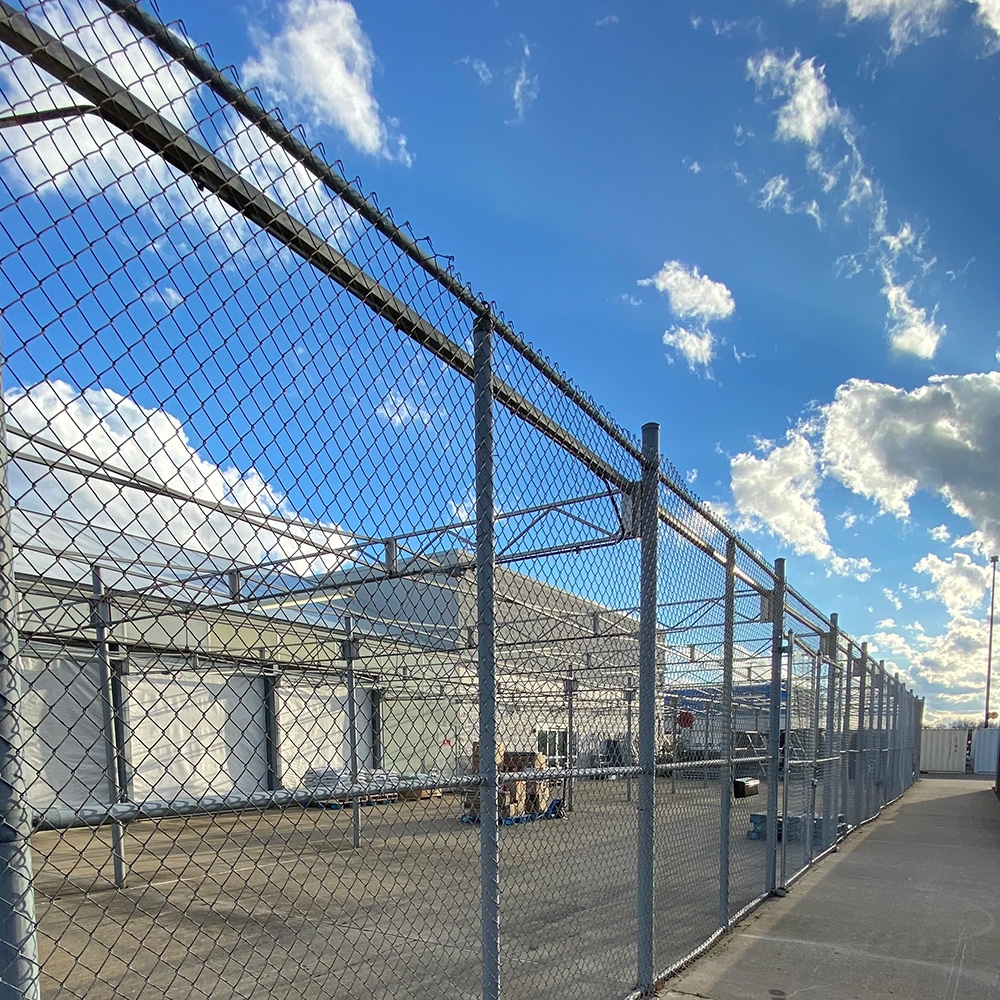
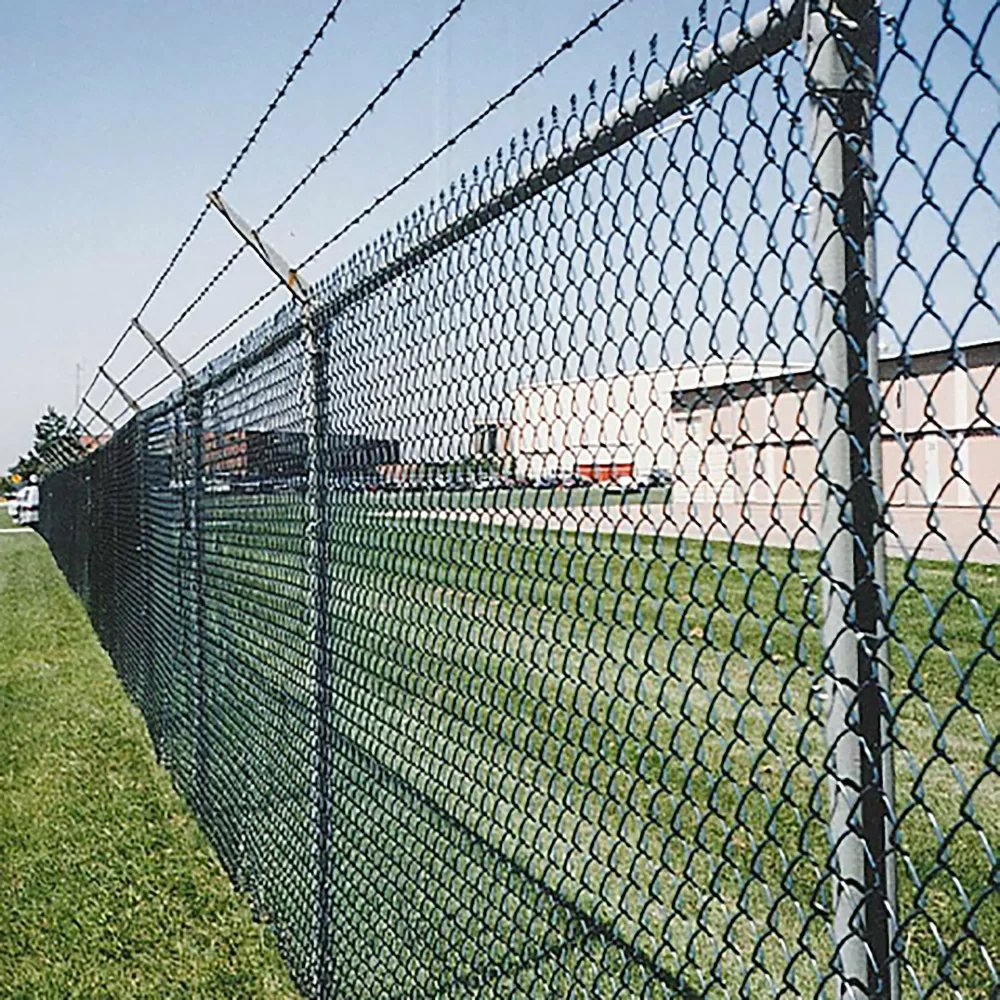
When trying to find chain link mesh, posts, or hardware for your fence, one term that often comes up is "Gauge". Rather than being a standard unit of measurement like inches, it seems to be in a class all on its own with 6-gauge, 8-gauge, 14-gauge, and the list goes on and on with each one looking a little different based on material. Luckily, we put together a quick guide for you to understand gauges in just a few short minutes, let's take a look!
What does Gauge actually mean?
The term "Gauge" for fencing and hardware refers to the thickness of the material that it's made of. While it is a unit of measurement for dimensions, gauge is not written in inches the way that width, depth, or length would be, but rather a set of standardized units that can vary by material. For example, a 10-gauge brace band is approximately 0.1345" thick, but that same band if made of aluminum is thinner at about 0.1019" thick. It may sound complex, but think of it when you order fast food; Would you order the exact number of fries you wanted? Or would you just order a Medium?
Gauges at a Glance:
- Gauge refers to thickness
- The lower the number the thicker the hardware
- Common fabric gauges: 6, 9, 11, 11.5
- Post and rail pipe specs should correspond with fabric gauge
- Fitting hardware (tension bands, brace bands, etc.) must be sized to match
- Heavier gauges mean longer lifespan in corrosive or high-traffic environments
How are Gauges measured?
Part of what makes understanding gauges so tricky to understand is that as mentioned they do change based on material. 10-gauge brace bands may not be the same thickness as 10-gauge chain link fence mesh, and if they are different materials they are going to be much different. Beyond that, gauges are actually measured in reverse of how you may think with the smaller number gauges actually being thicker than the higher ones. So for instance if you took a 6-gauge aluminum brace band and measured it with an 11-gauge aluminum brace band which would be thicker? The 6-gauge band as it is actually the "higher" gauge.
Which Gauge do I need?
For most residential fencing, 8 or 9 gauge should be fine as it is sturdy enough to withstand the elements and provide a firm barrier for your home. For high-security, industrial, or even DOT and Government facilities, 6 gauge is recommended as it is the most impact and weather resistant, often made of heavy-duty steel. Generally speaking, the more security you need, the higher gauge you're going to need.
| Aluminum Gauges | Standard Steel Gauges | Galvanized Steel Gauges | Application | |
| 6 Gauge | .162" | .1943" | N/A | High-security, Industrial, DOT/Government Facilities |
| 9 Gauge | .114" | .150" | .153" | Residential and Commercial Fencing |
| 11 Gauge | .091" | .12" | .123" | Light Residential, Temporary Fencing |
Shop American-Made Chain Link Mesh